
Por qué el pensamiento necesita resistencia: el marco GRAVYA
Si una máquina puede producir una respuesta en segundos, ¿qué necesitamos aprender a hacer con esa respuesta? La pregunta desplaza la atención hacia el juicio: cómo formulamos un problema, qué damos por cierto, qué evidencia buscamos y cuándo decidimos cambiar de posición.
GRAVYA propone diseñar las condiciones para ese trabajo. Reúne pedagogía, inteligencia artificial y diseño del entorno alrededor de cuatro pilares: fricción deliberada, cuestionamiento, diálogo y ambiente. Este texto presenta el marco como una propuesta en desarrollo y abre una conversación sobre cómo llevarlo a la práctica.
¿Qué es GRAVYA?
GRAVYA es un marco pedagógico y una exploración del hábitat donde ocurre el pensamiento. Su punto de partida es que disponer de información no resuelve por sí solo la tarea de comprenderla, contrastarla y decidir qué hacer con ella. La IA forma parte de ese entorno, junto con las personas, los materiales, los tiempos y el espacio físico.
La propuesta invita a diseñar actividades en las que el proceso pueda verse: una pregunta que se reformula, un supuesto que se hace explícito, una respuesta que se corrige. El interés está en las decisiones que permiten construir una posición y sostenerla ante otras perspectivas.
Los cuatro pilares de GRAVYA
1. Fricción deliberada: dar lugar al esfuerzo con sentido
La fricción deliberada consiste en introducir pausas, intentos y revisiones que tengan una función clara en el aprendizaje. Por ejemplo, formular una primera explicación antes de consultar una respuesta generada por IA y después comparar ambas. Esa diferencia puede convertirse en material para discutir.
La dificultad debe acompañarse de apoyos y posibilidades de participación. Una barrera de acceso, una instrucción confusa o una sobrecarga innecesaria no se vuelven pedagógicas por resultar difíciles. Diseñar fricción exige preguntarse qué esfuerzo vale la pena y para quién.
2. Cuestionamiento: examinar la pregunta y la respuesta
Una respuesta fluida puede ocultar supuestos, omisiones y errores. GRAVYA propone trabajar preguntas como estas: ¿qué se está dando por sentado?, ¿qué información falta?, ¿qué evidencia permitiría comprobar esta afirmación?, ¿qué cambiaría si el contexto fuera otro?
La IA puede ayudar a proponer alternativas, pero sus respuestas necesitan contraste. El objetivo de la actividad es que cada participante explique por qué acepta, modifica o rechaza una idea.
3. Diálogo: hacer que las razones circulen
Dialogar supone escuchar una posición, reconstruir sus razones y ponerlas en relación con las propias. En una actividad GRAVYA, el desacuerdo puede convertirse en una oportunidad para revisar criterios, siempre que existan condiciones para participar sin humillación ni imposiciones.
Una conversación productiva deja rastros: qué pregunta apareció, qué evidencia cambió la discusión y qué desacuerdos siguen abiertos. El consenso no tiene que ser el único resultado.
4. Ambiente: diseñar el hábitat del pensamiento
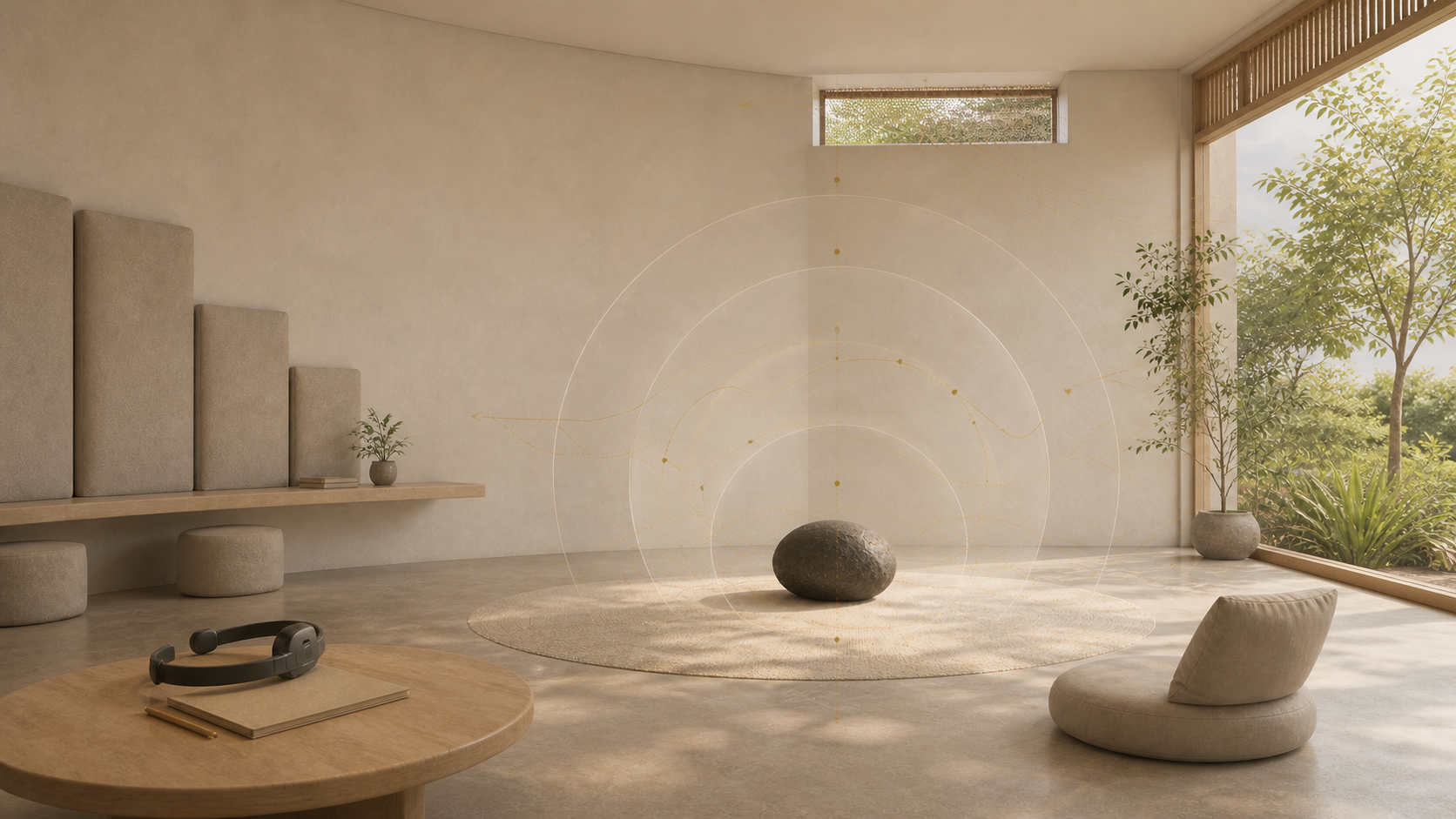
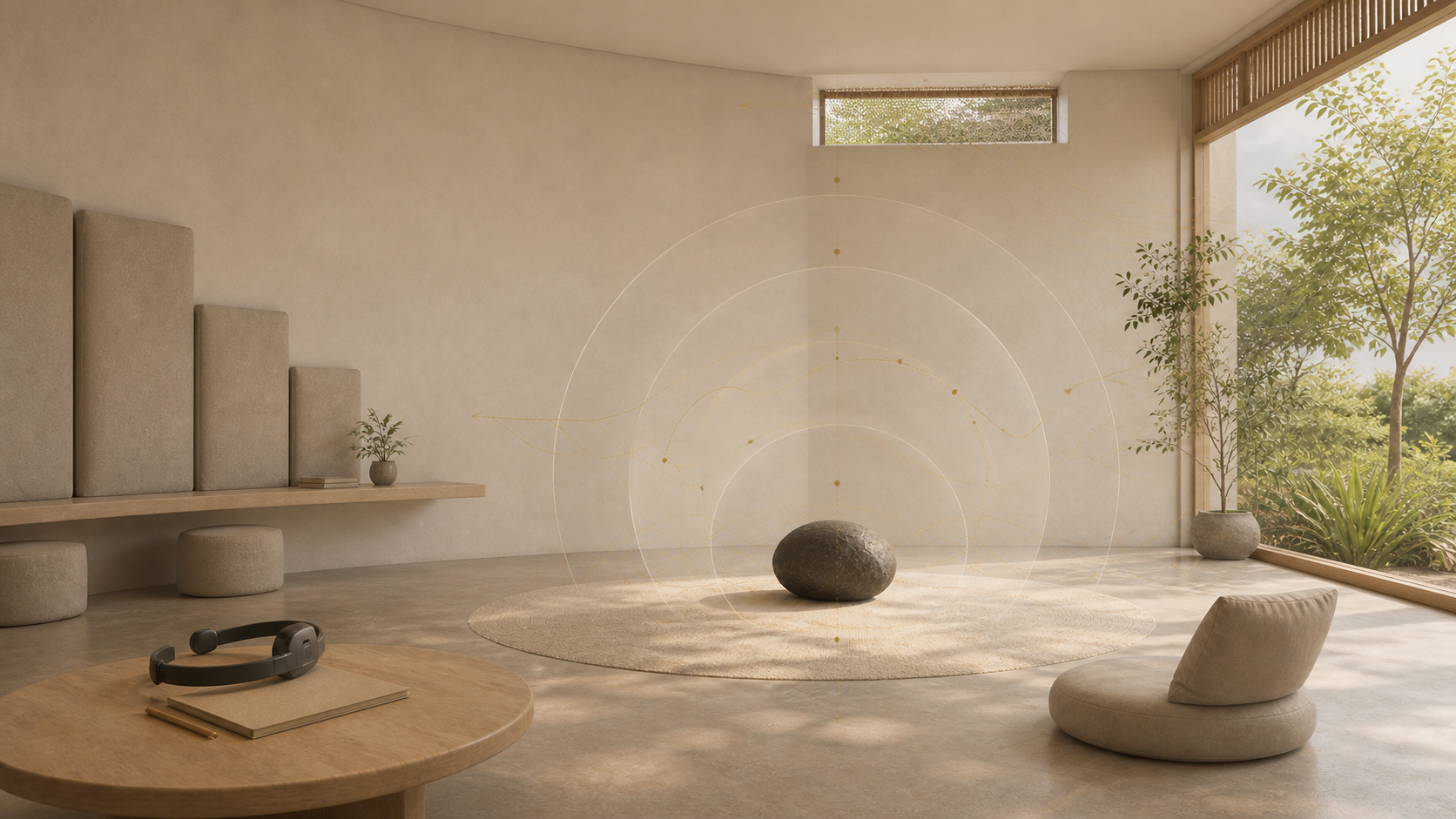
El hábitat GRAVYA reúne el espacio físico, las herramientas digitales, las condiciones sensoriales y las relaciones entre las personas. Invita a observar cómo se organizan la luz, el sonido, el movimiento, el silencio, las superficies de trabajo y los momentos de interacción con la tecnología.
No propone un aula universal ni una estética obligatoria. Un espacio atractivo requiere todavía una práctica pedagógica coherente. Las decisiones de diseño deben responder a la actividad, a los recursos disponibles y a las necesidades de quienes lo habitan.
Una actividad posible: responder, contrastar, revisar
Este ejemplo es una propuesta de pilotaje, no el reporte de una experiencia ya evaluada. Un grupo recibe un problema abierto: ¿cómo reorganizar un espacio de aprendizaje para facilitar el trabajo individual y la conversación?
Primero, cada participante dibuja una solución y escribe sus razones. Después consulta una propuesta de IA y señala coincidencias, contradicciones y afirmaciones que necesitan comprobarse. En parejas, contrastan las alternativas con las condiciones reales del lugar: dimensiones, accesibilidad, ruido, recursos y usos previstos.
El grupo revisa sus diseños y conserva tanto la primera versión como la última. Cada persona explica qué cambió y por qué. El espacio puede organizarse con un momento de trabajo silencioso, una mesa de conversación y una superficie común donde comparar propuestas.
¿Qué habría que observar en un piloto?
Un piloto permitiría examinar la claridad de las preguntas, la calidad de las justificaciones, el uso de evidencias y la capacidad de revisar una decisión. También habría que recoger dificultades: quién quedó fuera de la conversación, qué apoyos faltaron y qué aspectos del entorno interfirieron.
Las fotografías y el video pueden documentar cómo se desarrolló una sesión. Para sostener afirmaciones sobre aprendizaje harían falta criterios explícitos, registros del proceso y un diseño de evaluación adecuado. Un panel puede abrir preguntas y reunir perspectivas; por sí solo no demuestra la eficacia del marco.
Un espacio de investigación abierto
La siguiente etapa de GRAVYA puede reunir ensayos, preguntas frecuentes, protocolos de actividades y registros de pilotos. Cada publicación debería indicar qué propone, qué se observó y qué continúa sin resolverse. Esa distinción permite que otras personas examinen la propuesta y contribuyan a mejorarla.
Quienes trabajan en educación, diseño o arquitectura pueden aportar problemas concretos, objeciones y contextos donde explorar estas ideas. El punto de encuentro es una pregunta compartida: ¿qué condiciones necesitamos diseñar para que el pensamiento tenga lugar?
Explorar el ecosistema GRAVYA · Conversar sobre una colaboración