QUESTIONS. 27% MORE QUESTIONS. THE REST IS UNKNOWN.
Ongoing research into Caribbean biomaterials through photographic processes, material testing, observation, failure, and documentation.
RADIX begins with a question:
Can the Caribbean develop its own materials and processes for making images?
We believe it can.
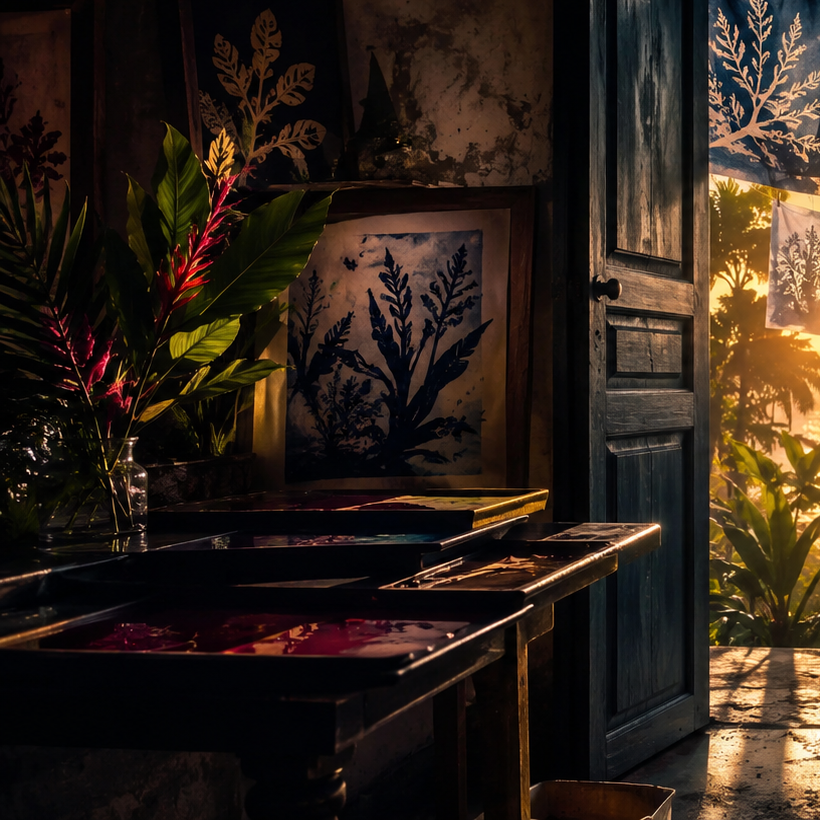
RADIX is a biophotographic research lab exploring how materials found across our region can actively participate in the formation of an image.
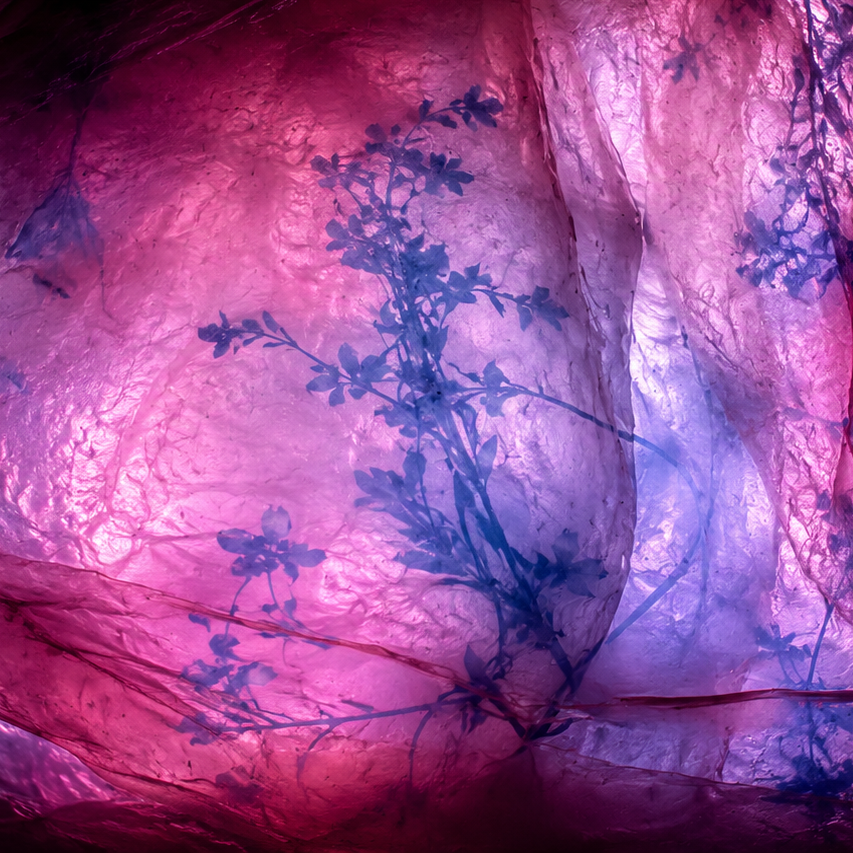
We study them not as picturesque substitutes for industrial materials, but as photographic matter: substances capable of altering an emulsion, producing pigments, transforming a surface, reacting with light, or becoming the very support on which an image is formed.
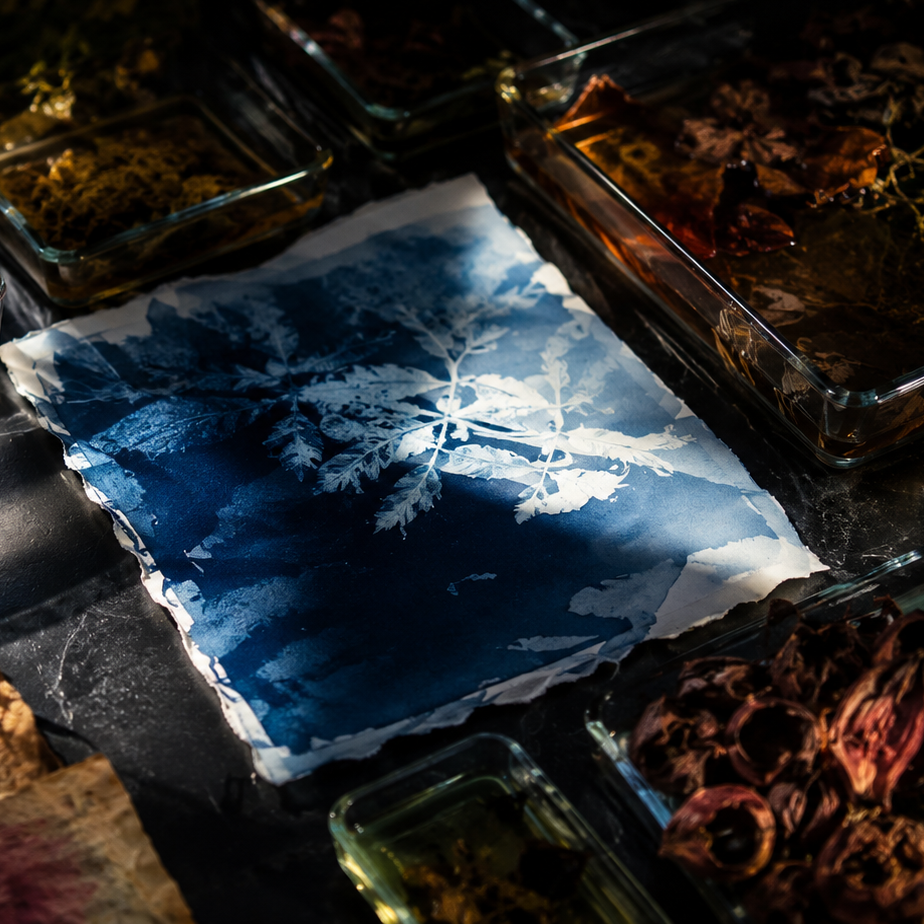
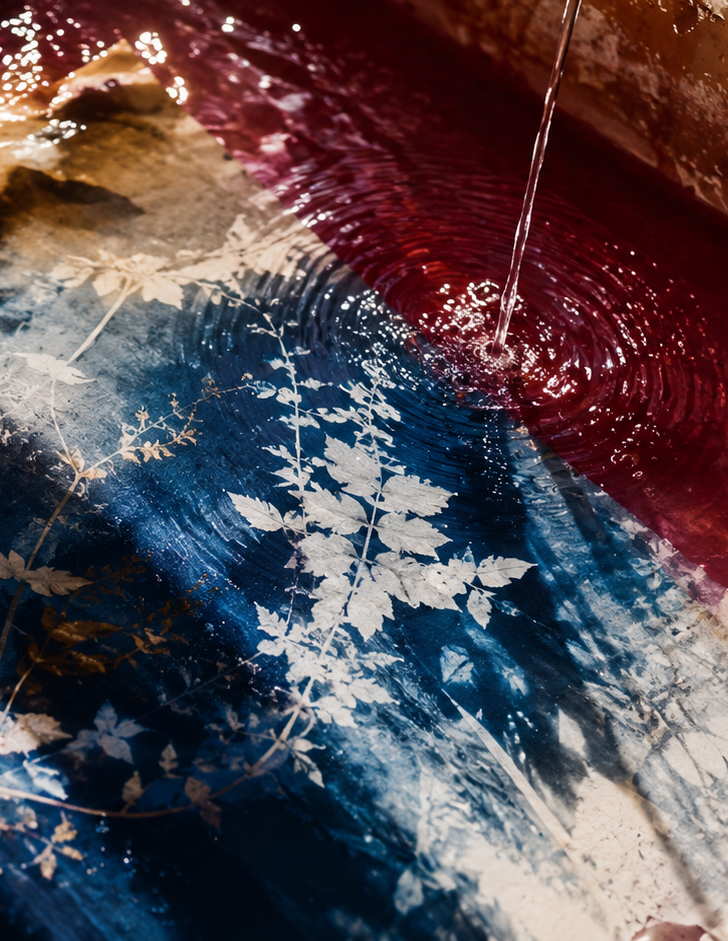
We experiment with infusions, extracts, photosensitive emulsions, cyanotype, handmade papers, fibers, and SCOBY. We observe exposure, absorption, transparency, humidity, stability, chemical response, washing, and drying.
Because RADIX is not about producing perfect results. It is about building reproducible knowledge from the material conditions of our own region.
Local materials. Shared protocols. Caribbean knowledge.
RADIX understands the Caribbean not simply as the setting for this research, but as a source of knowledge.
Our biodiversity, climate, agricultural waste, craft traditions, and economic realities can generate questions that might never emerge from a laboratory located somewhere else.
We are not interested in reproducing an industrial model using tropical ingredients.
We want to develop a Caribbean photographic material culture.
ROOTED IN THE CARIBBEAN
Each material generates tests, variables, failures, images, and documentation.
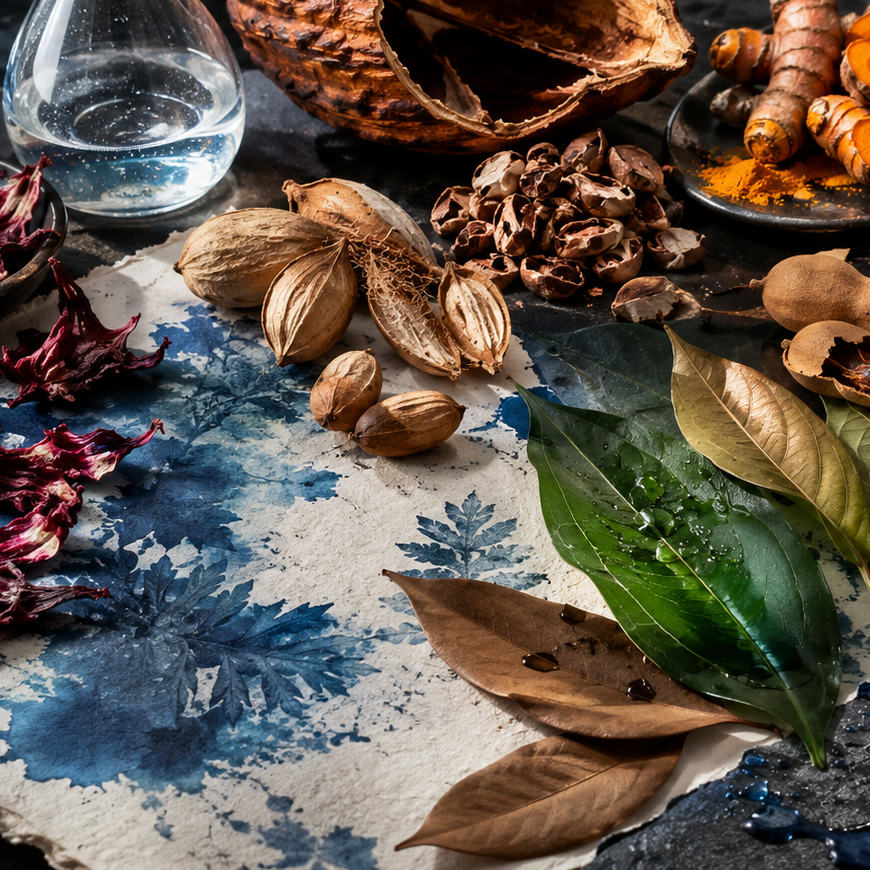
RADIX studies regional materials through their physical, chemical, optical, and cultural properties.
Hibiscus Tamarind Cacao Guava Mango Avocado Sargassum SCOBY / Bacterial Cellulose A surface that can literally be grown, dried, sensitized, and transformed into a photographic support.
The library will continue to grow.
MATERIAL LIBRARY
Because if an image disappears but the knowledge remains, the experiment still produced something valuable.
The digital image becomes a negative.
The negative meets matter.
Matter meets light.
And the image begins again.
Research also requires new tools.
As part of RADIX, we developed an experimental digital tool for preparing images as digital negatives for cyanotype and contact-printing processes.
The application helps transform and prepare photographic images before printing the negative, creating a more deliberate bridge between the original digital image, the physical negative, and the final exposure.
We do not see digital technology as the opposite of material practice.
Code, printer, transparency, chemistry, biomaterial, water, and sunlight can all belong to the same photographic process.
It is an investigation into how images can grow, react, change, and exist through materials connected to a place.
It is photography.
It is matter.
It is documentation.
It is experimentation.
And it is an open question about what becomes possible when we stop looking at the Caribbean only as a source of images and begin recognizing it as a source of knowledge.
I collaborate with brands, cultural organizations, and curious minds to create visual identities, digital experiences, and experimental systems shaped by biology, technology, and human imagination.